Medical imaging

Visual exploration at the heart of gynecological care
Medical imaging in gynecology encompasses all the techniques used to visualize the female genital tract in order to diagnose, monitor or treat various pathologies. It uses specific medical devices such as endoscopy cameras, hysteroscopy instruments or colposcopes. Depending on the type of imaging and the clinical context, these examinations can be carried out in private practice, in a dedicated room in a health center, or in the operating room.

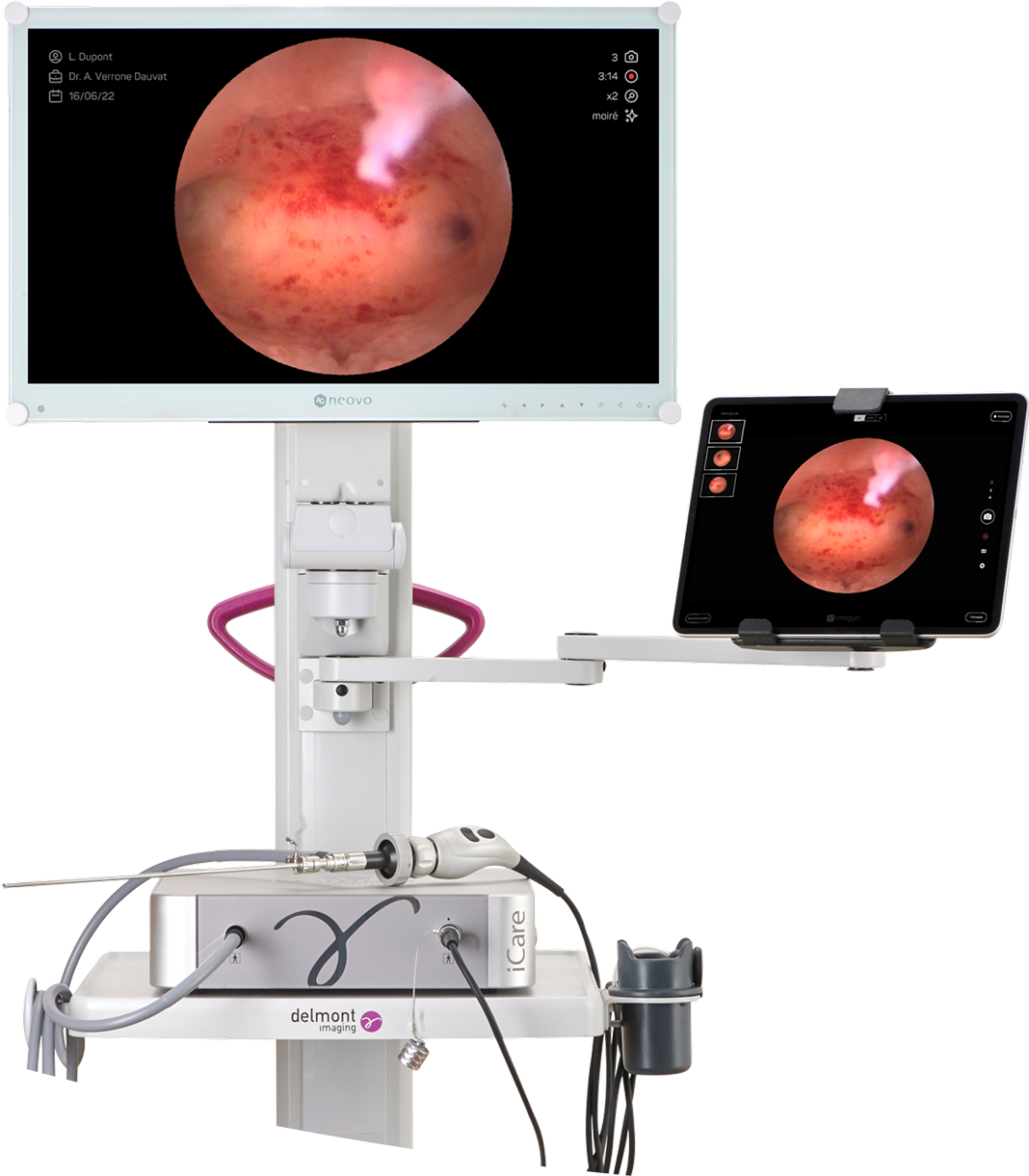
iCare+

The endoscopy camera designed for dedicated rooms.

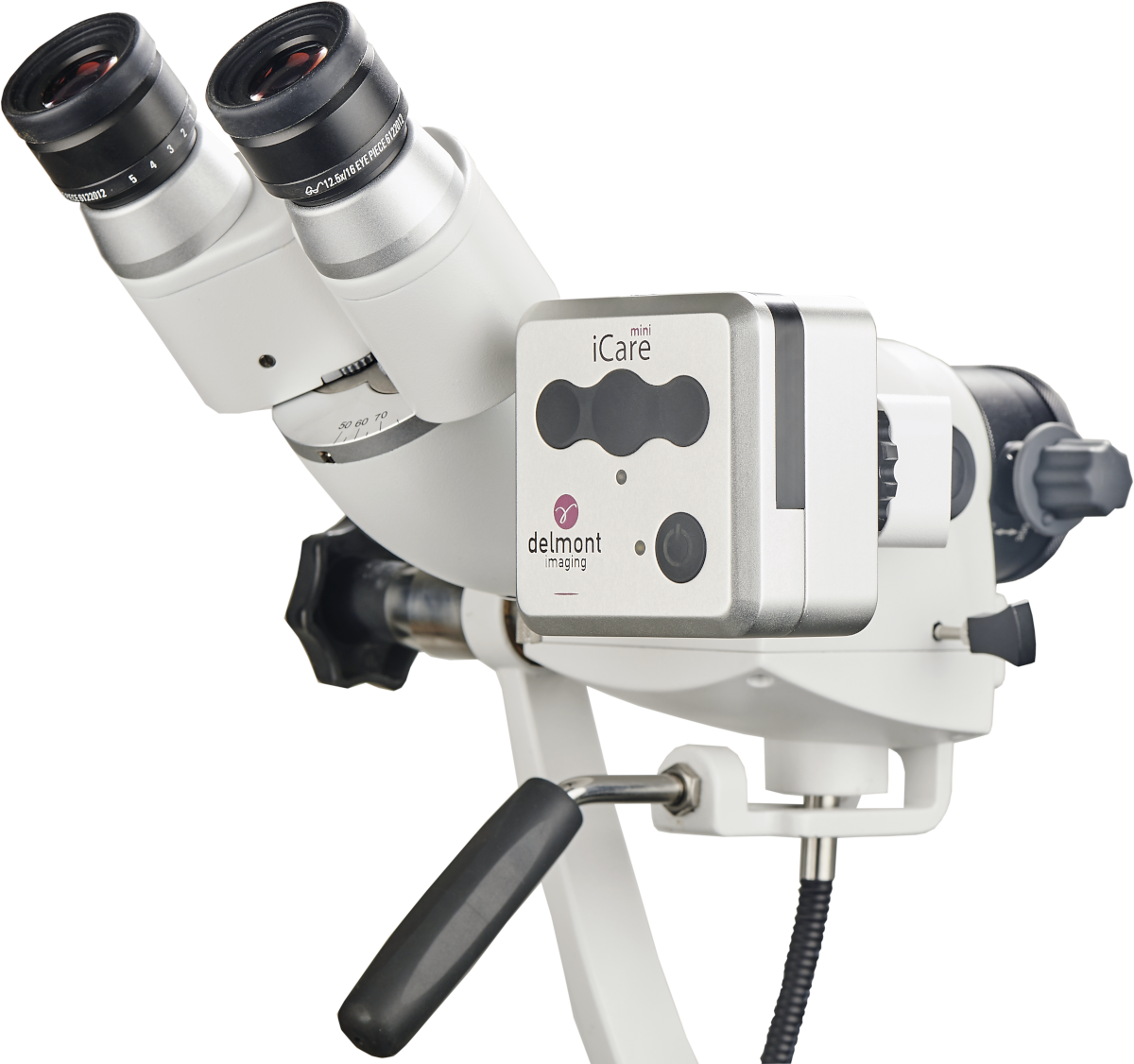
Colposcopes

Now combined with iCare mini for even greater performance

Your questions about medical imaging

Are these devices suitable for use in private practices or only in hospitals?

Our imaging equipment is designed to adapt to all kinds of environments: general practices, medical centers, clinics or hospitals. Their compactness, ease of use and modularity allow easy integration whatever your situation and need.

Our devices incorporate image capture systems as standard or as an option. Numerous solutions are available for image recording and export, which can be configured to suit your needs and location. As an option for all our imaging products, we offer imagyn medical software on iPad, enabling you to quickly and completely edit an annotated image report, which you can then share quickly and securely with the patient or your colleagues, or in the care center’s DPI. What is the profitability or payback potential of these devices in everyday practice? Our devices are designed for regular use in practices and healthcare institutions alike, and are quick to learn. They can be used to enhance the value of reimbursed procedures (colposcopy, diagnostic hysteroscopy, etc.), making them easier to amortize. Depending on your volume of business, the investment can pay for itself over a short period of time. We can help you assess this payback period. Are installation, user training and technical support included? We systematically offer installation and initial training in the use of our equipment, which you are free to activate according to your needs. Our customer service team is on hand to provide you with responsive technical support and to help you get the most out of your equipment.

Our devices are designed for regular use in practices and healthcare establishments alike, and are quick to learn. They can be used to enhance the value of reimbursed procedures (colposcopy, diagnostic hysteroscopy, etc.), making them easy to amortize. Depending on your volume of business, the investment can pay for itself over a short period of time. We can help you assess this amortization.

We systematically offer installation and initial training in the use of our equipment, which you are free to activate according to your needs. Our customer service team is at your disposal to provide responsive technical support and to guide you through the use of your equipment.
Screenshot

Hysteroscopy, a direct visualization of the uterine cavity

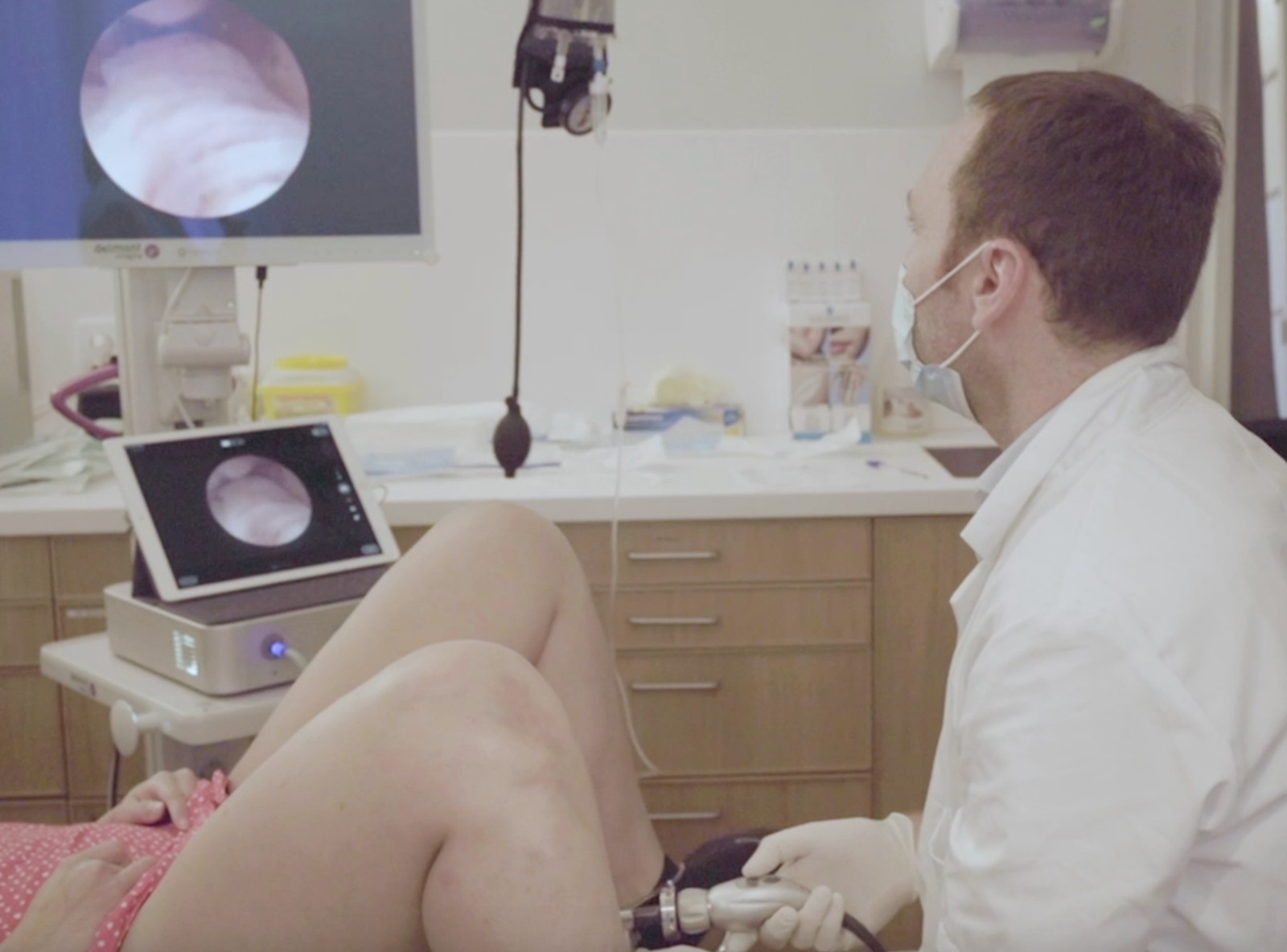
Hysteroscopy is a minimally invasive medical imaging technique used to examine the inside of the uterus, the cervical canal, and the fallopian tube openings. Performed vaginally, it involves inserting a hysteroscope—a thin optical tube equipped with a camera, a light source, and an irrigation system—through the cervix to obtain a direct and precise view of the uterine cavity. There are two types of hysteroscopy: diagnostic hysteroscopy, used to investigate the cause of gynecological problems (abnormal bleeding, infertility, polyps, etc.), and operative hysteroscopy, which is used to treat certain abnormalities (removal of polyps, fibroids, septa, etc.). This procedure is essential, both for establishing an accurate diagnosis and for effective management of uterine pathologies, while preserving the patient's comfort as much as possible.
Screenshot

Colposcopy, an examination of the cervix

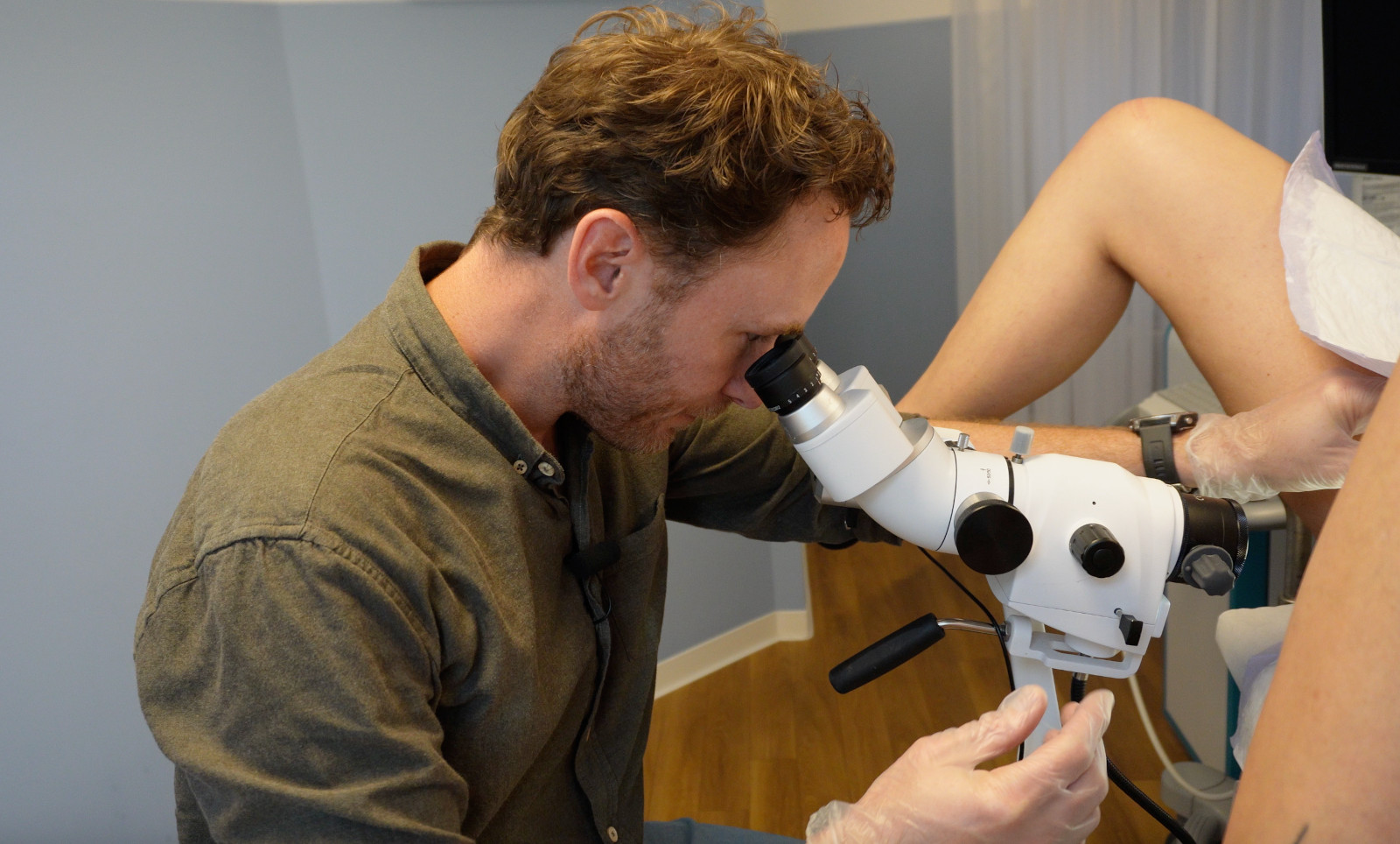
Colposcopy, an examination of the cervix. Colposcopy is a non-invasive gynecological examination that allows for a detailed observation of the cervix, vagina, and vulva using a colposcope. This device, equipped with a magnifying optical system and a light source, provides precise visualization of the tissues without direct contact. The examination is generally recommended after an abnormal Pap smear or the detection of HPV (human papillomavirus), the main risk factor for precancerous lesions of the cervix. Dyes such as acetic acid or Lugol's solution may be applied to better visualize suspicious areas and, if necessary, to perform targeted biopsies. Beyond diagnosis, colposcopy can also be used to support certain therapeutic procedures, such as conization, which involves removing a portion of the cervix in cases of confirmed lesions. This examination therefore plays a key role in the early detection and management of cervical pathologies, while remaining a simple, quick and well-tolerated procedure.

Essential criteria in medical imaging

A high-level imaging system relies on three key elements: excellent image quality, ergonomics and ease of use designed for the practitioner's comfort, and clear and reliable transmission of examination information to the patient through clear images and comprehensive reports. Our solutions naturally meet these requirements, supporting professionals in a practice that is efficient, precise, and patient-centered.

Local production in La Ciotat
a guarantee of French know-how
Availability and responsiveness
to guarantee customer satisfaction
Dedicated design office
at the service of innovation