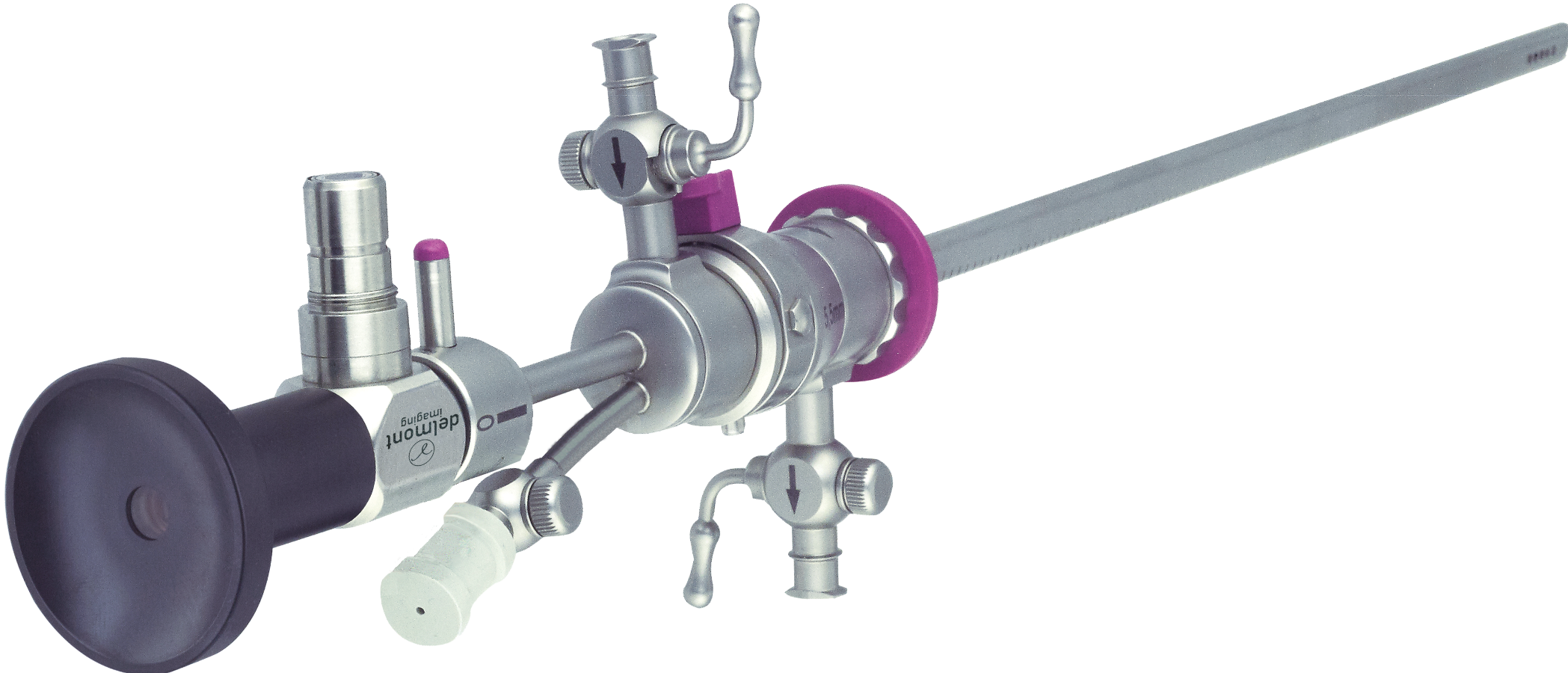
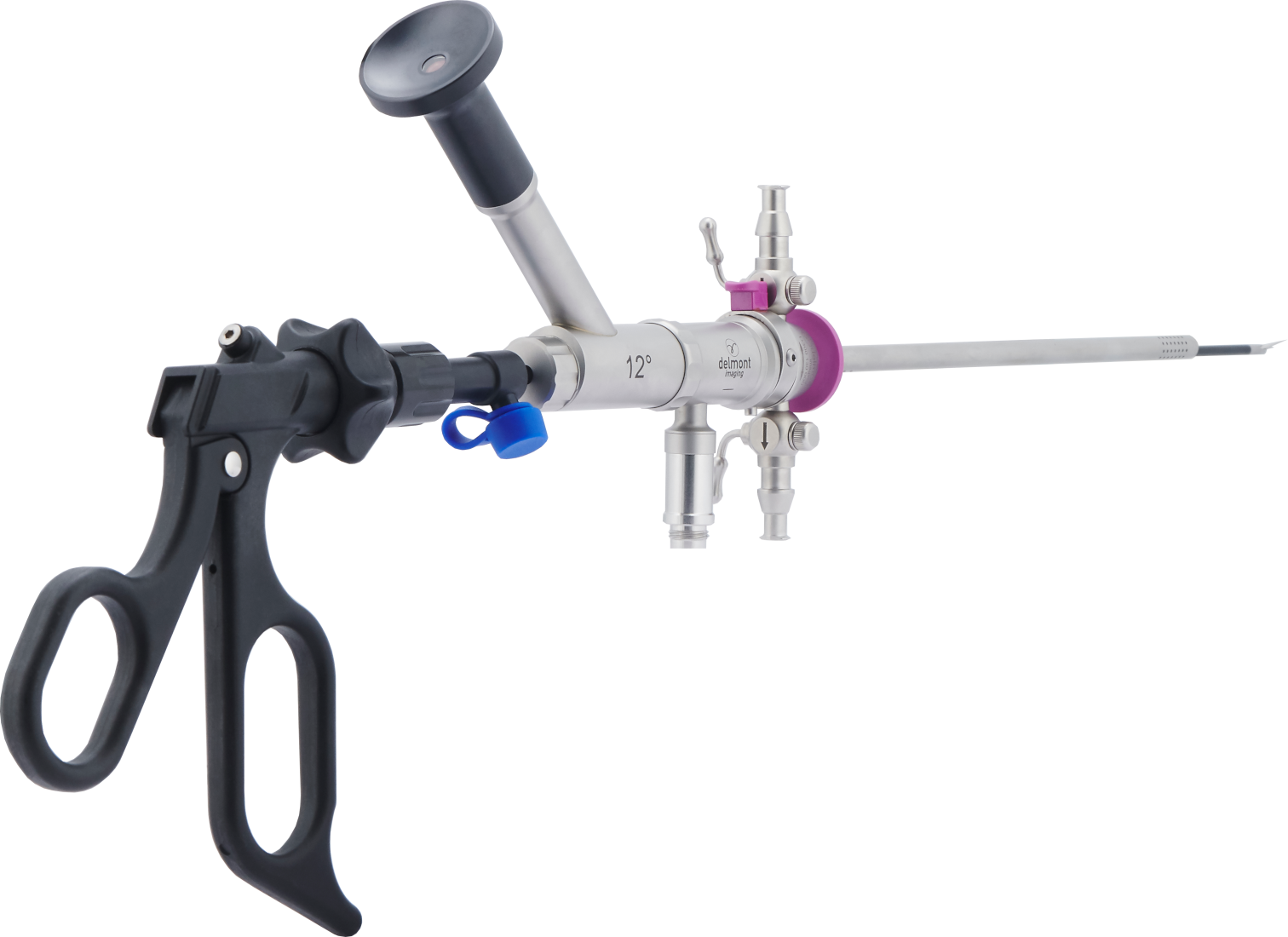
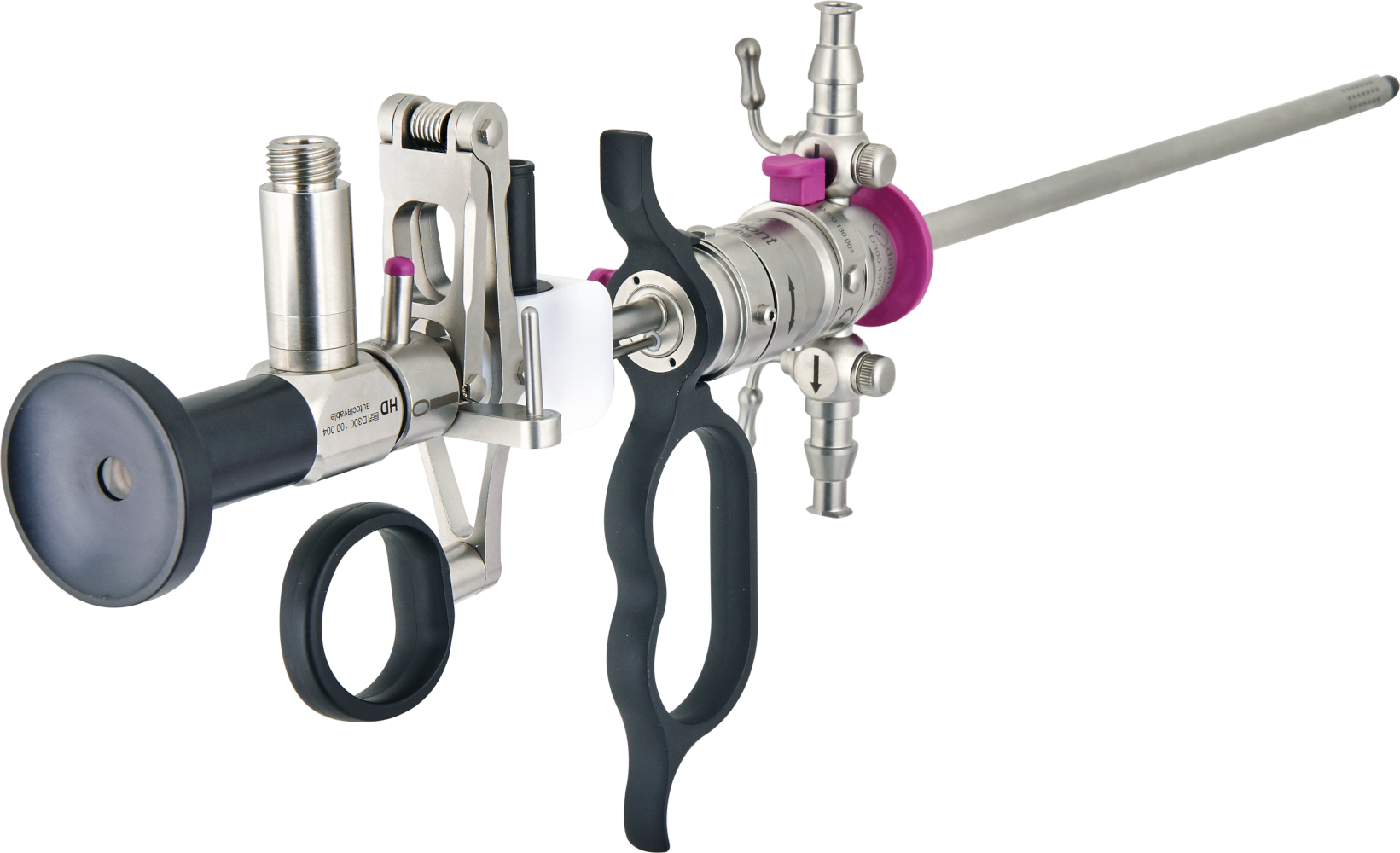
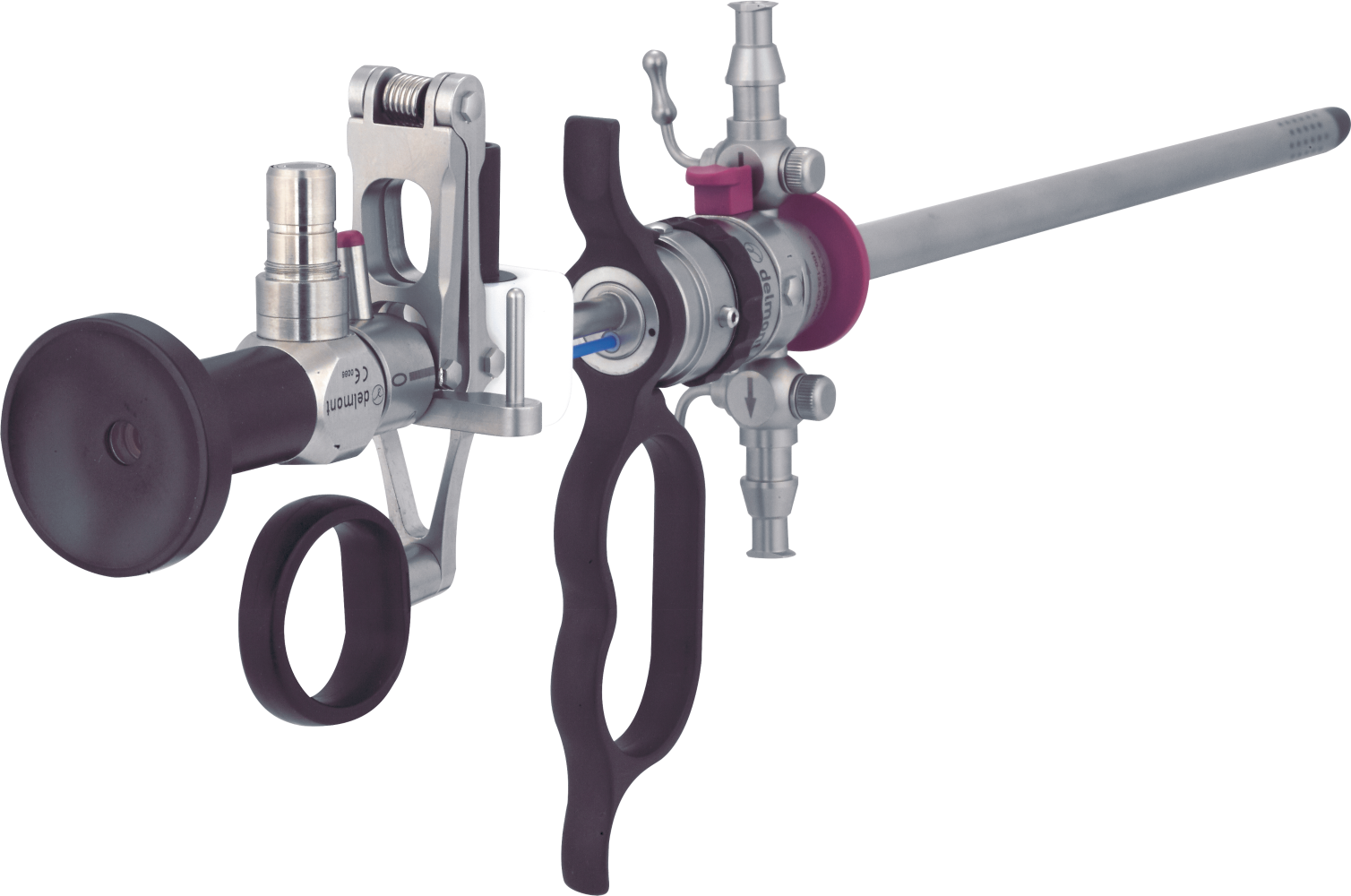
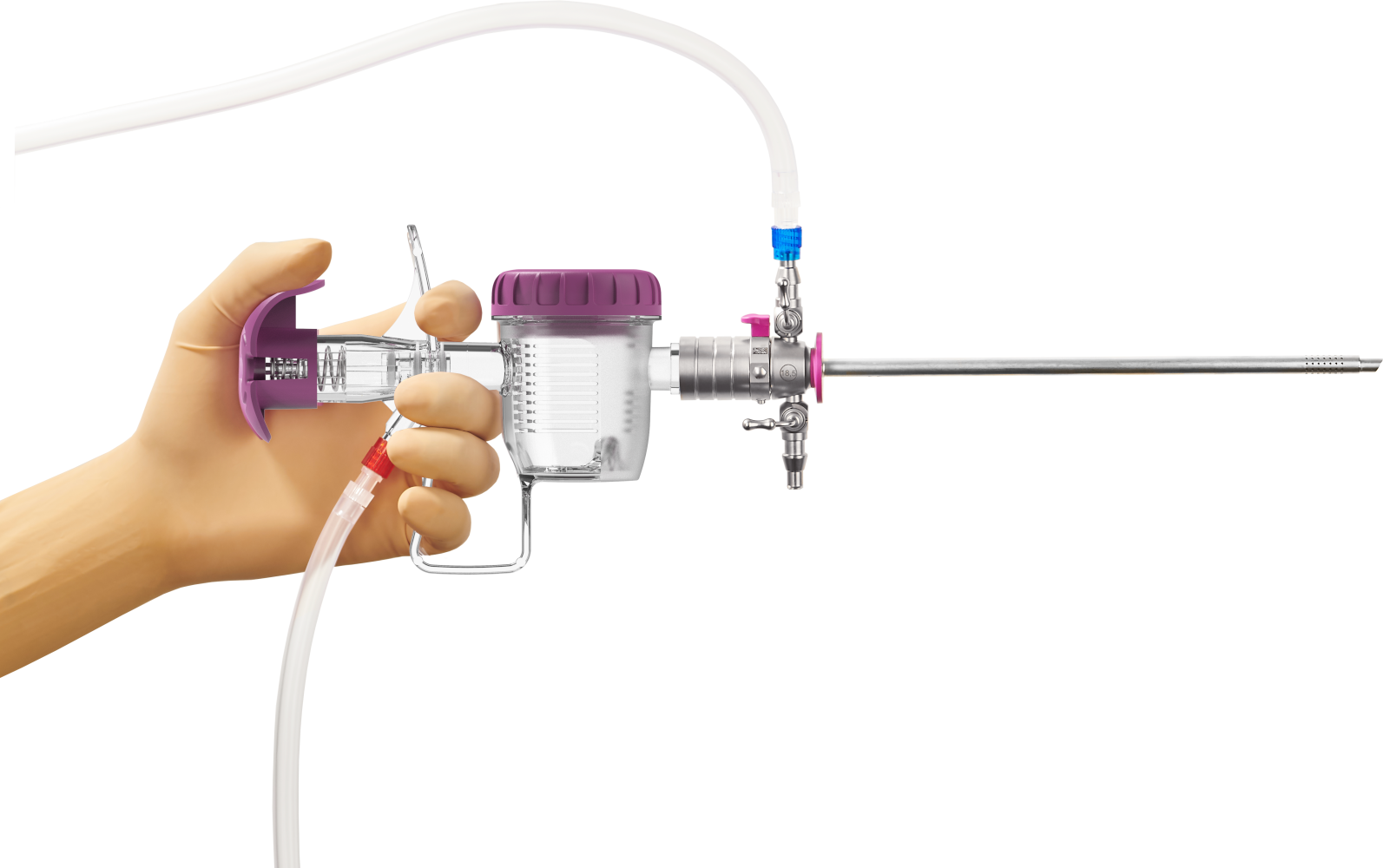
Hysteroscopy instrument

To view and treat uterine pathologies
Today, hysteroscopy is a key procedure in gynecological care, both in consultation and in the operating room. It enables direct visualization of the uterine cavity, for precise diagnosis and targeted surgery, while ensuring patient comfort and safety. Each instrument must be designed to facilitate the practitioner’s movements while minimizing pain and complications.

EasyCare

La solution complète pour une pratique sereine du See&Treat

NeoCare (&XXL)

Un allié pour la préservation de la fertilité

ReseCare (&XXL)

With ReseCare, your surgical procedure is not only more precise, but also faster, since there are fewer dilatation steps.

MaxiCare

Bipolar resection in 9mm

ICE by RVF

The ultimate solution for optimizing your practice

Your frequent questions

Are your solutions reusable or single-use?

In an eco-responsible and cost-optimized approach, a large majority of our products are reusable and autoclavable. In fact, we make it a point of honor to ensure that they are long-lasting and can accompany you in your practice over the long term. What’s more, we provide sterilization departments with detailed protocols to ensure optimal cleaning and sterilization.

Some instruments are exceptions, such as resection electrodes, which come in both reusable and single-use versions to suit the practices and rules specific to each healthcare establishment.

Our instruments are designed to be compatible with your existing equipment. Our hysteroscopes and resectors interface with a wide range of imaging systems, fluid management systems and high-frequency energy generators.

Purchasing the instrument means no unexpected extra costs, while preserving your working environment for greater comfort and simplicity.

In order to limit the risks associated with general anaesthesia for the patient and relieve overcrowding in operating theatres, many procedures can now be carried out outside these environments, in dedicated rooms known as “hors-bloc”. Depending on the procedure, a paracervical block (local anaesthetic) can be used to ensure effective pain management. This approach reduces the need for general anaesthesia while maintaining a high level of comfort for the patient.

To test our products in real-life conditions, simply get in touch with your local sales manager, who has a full range of demonstration products at his disposal. He or she will organize a trial session directly in your establishment. Our team will be on hand to support you during the first few uses, and will provide you with full training to quickly familiarize you with the device.

Screenshot

Hysteroscopy, from diagnosis to treatment of the uterine cavity

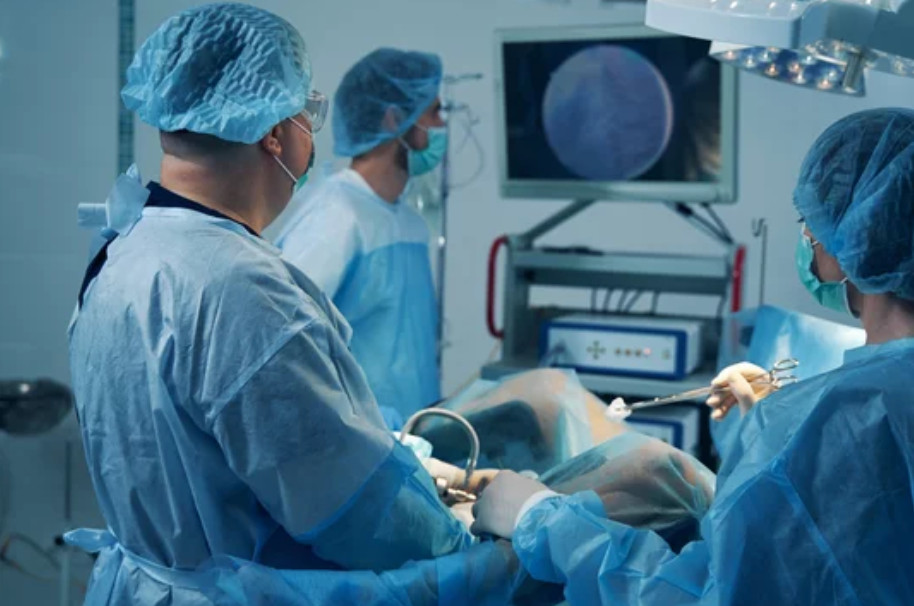
Hysteroscopy can be performed for diagnostic purposes, to examine the uterine cavity and identify any potential pathologies. It can also be used for surgical purposes, allowing not only visualization but, more importantly, treatment of the detected pathology. Operative hysteroscopy allows the treatment of numerous pathologies such as polyps, fibroids, synechiae (uterine adhesions), as well as uterine malformations like septa. It is also performed for targeted biopsies or, in some cases, for the removal of IUDs (Intrauterine Devices). To do this, a hysteroscope is inserted into the uterus through the vagina and cervix, and an operating channel integrated into the device allows the passage of surgical instruments such as scissors or forceps.
Screenshot

Hysteroscopic resection, for targeted surgery

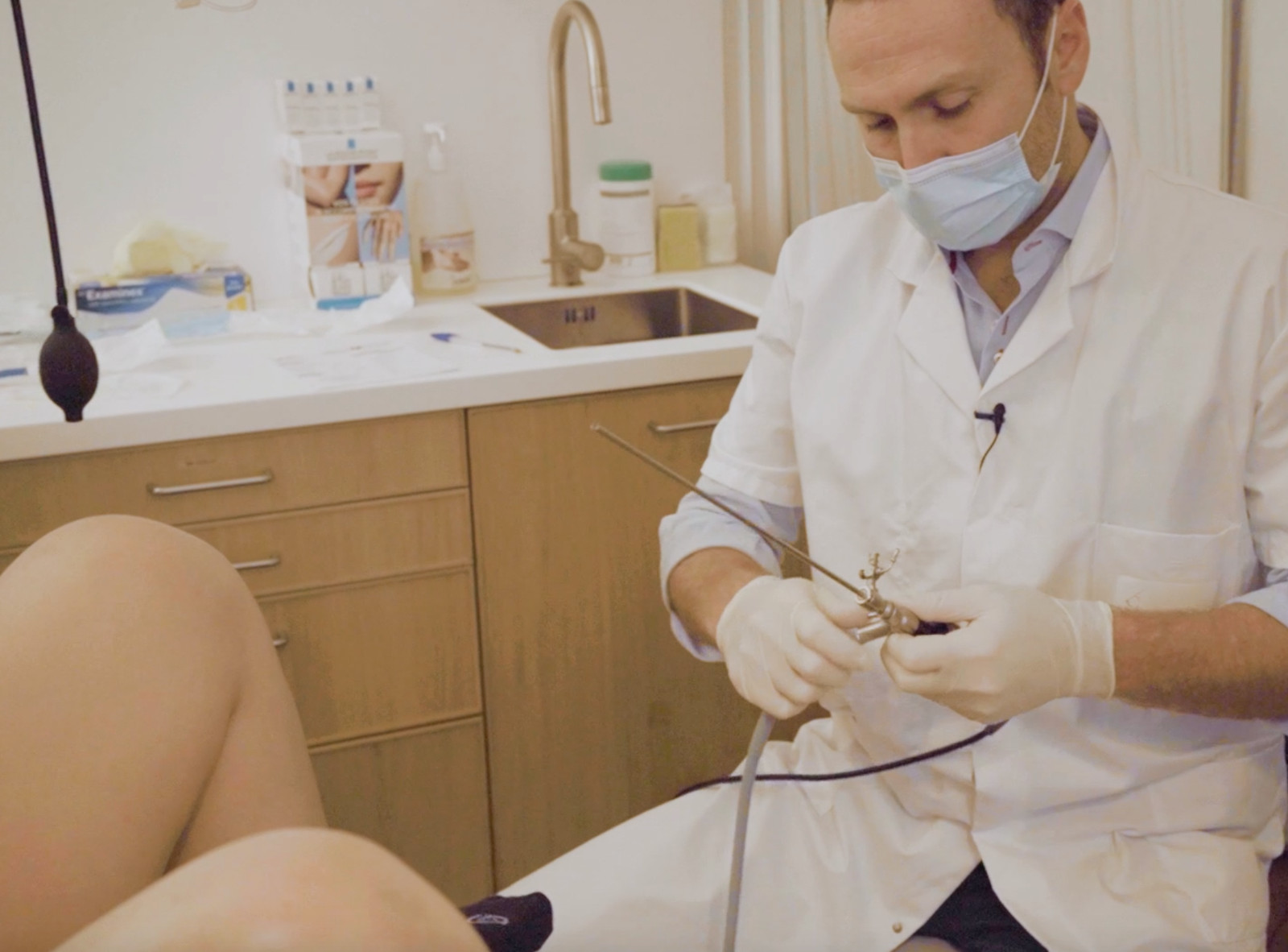
Hysteroscopic resection is a surgical technique used to treat uterine abnormalities such as uterine fibroids, polyps, synechiae (intrauterine adhesions), uterine septa, mucosal hypertrophy, and adenomyosis. This technique requires the use of a resectoscope, a surgical instrument that combines several components, including an endoscope for visualization and resection electrodes. The resectoscope is inserted into the uterus via the cervical canal, and the electrode, connected to a high-frequency energy generator, allows the surgeon to cut or coagulate tissue as needed. The resected tissue fragments are called resection chips. This technique is extremely precise and allows the anomaly to be removed while minimizing bleeding.

The resection chips can easily be removed from the uterine cavity using a chip extractor, which is used, when necessary and at the end of the resection, to empty and clean the cavity.

Essential criteria for hysteroscopic instrumentation

In hysteroscopy, a high-quality instrument must guarantee the safety and effectiveness of the procedure. An instrument with a small external diameter is often essential to minimize patient discomfort and the risk of cervical trauma. Optical quality also plays a major role: a high-definition image ensures precise visualization of the uterine cavity. The ergonomics and performance of the instrument are two key factors for the physician's comfort and to optimize operating time. Finally, a wide range of instruments is essential to tailor treatment to each pathology and each patient. Our products have been designed to fully meet all of these criteria, combining performance, reliability, and safety.

Local production in La Ciotat
a guarantee of French know-how
Availability and responsiveness
to guarantee customer satisfaction
Dedicated design office
at the service of innovation