Energy system
Your questions about the energy system
How is patient safety ensured?
Safety is at the heart of our systems’ design. They are equipped with constant monitoring systems to control power delivery in real time.
In addition, they incorporate audible and visual warning and alarm systems that immediately inform the surgeon and medical team of any abnormal condition.
The devices’ ergonomics and clear user interfaces also help to reduce human error and ensure safer procedures for patients.
What's the main difference between HF energy systems and ultrasound systems?
Both technologies cut and coagulate tissue, but their mode of action differs.
- High-frequency energy (HF)employs powerful electrical currents to cut and coagulate tissue with speed and precision. It can be used in monopolar or bipolar mode depending on surgical requirements.
- Ultrasonic systems convert electrical energy into mechanical energy in the form of ultrasonic vibrations, enabling sectioning and coagulation with limited thermal diffusion.
Each of these technologies offers specific advantages depending on the type of procedure and surgical gesture desired. The choice therefore depends on the procedure and the preferences of the medical team.
What are the different acquisition options?
You can choose between two ways of acquiring our generators and their consumables.
You can opt for a direct purchase which allows complete ownership of the equipment, without any commitment. Alternatively, we offer a provision contract model: the establishment benefits from the use of the generator without any initial investment, committing only to purchase a set quantity of consumables per year at a fixed rate. This model keeps costs under control while guaranteeing access to the performance of the latest technologies.
What types of maintenance are available for energy systems?
Preventive maintenance is offered on a regular basis to ensure that equipment remains compliant with specifications and to reduce the risk of breakdowns. In the event of a malfunction, curative maintenance intervenes for a fast and efficient repair, with the possibility of providing you with a replacement product so as not to interrupt your business. These services are part of our support and accompaniment offers, which also include technical assistance, training and software updates, to ensure optimal and continuous use of the device.
High-frequency energy in surgery: an effective and controlled current
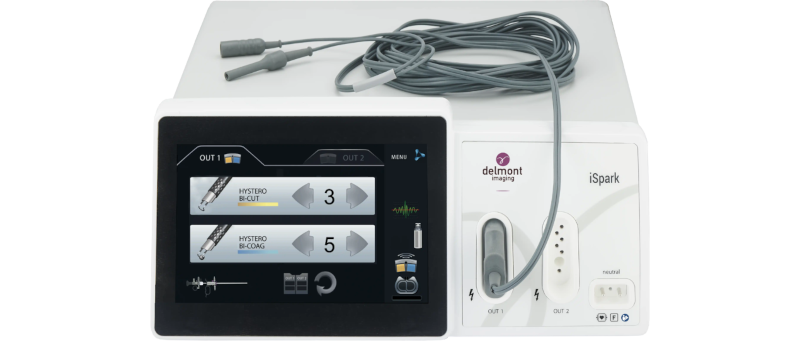
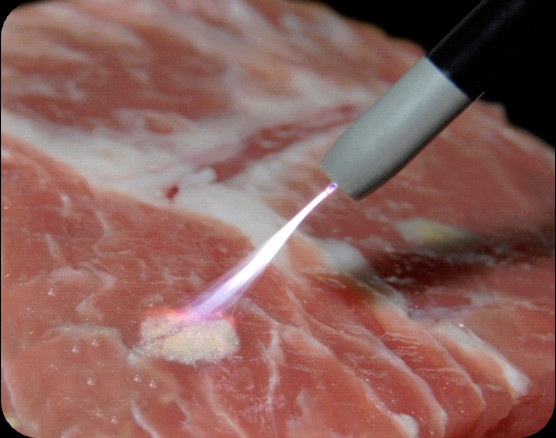
High-frequency (HF) energy generators are devices used to cut and coagulate tissue during surgical procedures. They work by delivering a high-frequency alternating electrical current, which generates heat locally within the tissues, enabling precise cutting and effective coagulation.
Two modes are used depending on the surgical requirements:
Monopolar: The current flows between the active electrode at the surgical site and a neutral electrode on the patient. This mode is versatile and suitable for deep or extensive cuts.
Bipolar: The current flows only between the two poles of a forceps or electrode, offering greater precision and safety, ideal for sensitive areas and fine coagulation.
Modern HF generators allow for adjusting the power and cutting and coagulation modes according to the tissue type and surgical procedure, while incorporating safety features to minimize risks. This technology is widely used for its versatility, hemostatic efficacy, and precision.
Ultrasonic dissection: uncompromising tissue precision
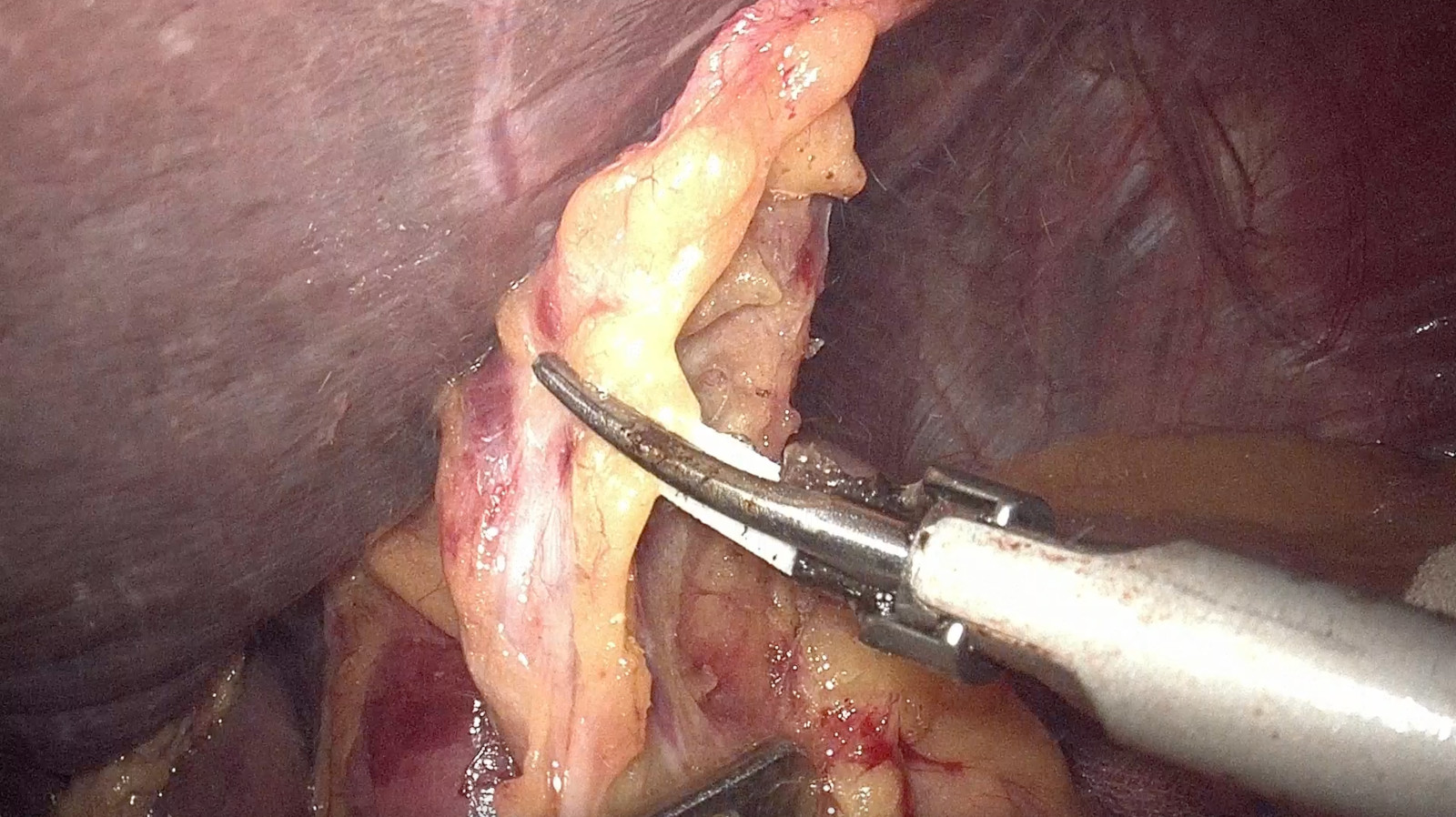
Ultrasonic dissection systems allow for the simultaneous cutting and coagulation of tissues by converting electrical energy into ultrasonic mechanical vibrations at very high frequencies (approximately 55,000 Hz). These vibrations generate limited heat, concentrated on the surgical area, enabling precise dissection with minimal heat diffusion, without the need for electrical current in the patient's body.
The system consists of three elements:
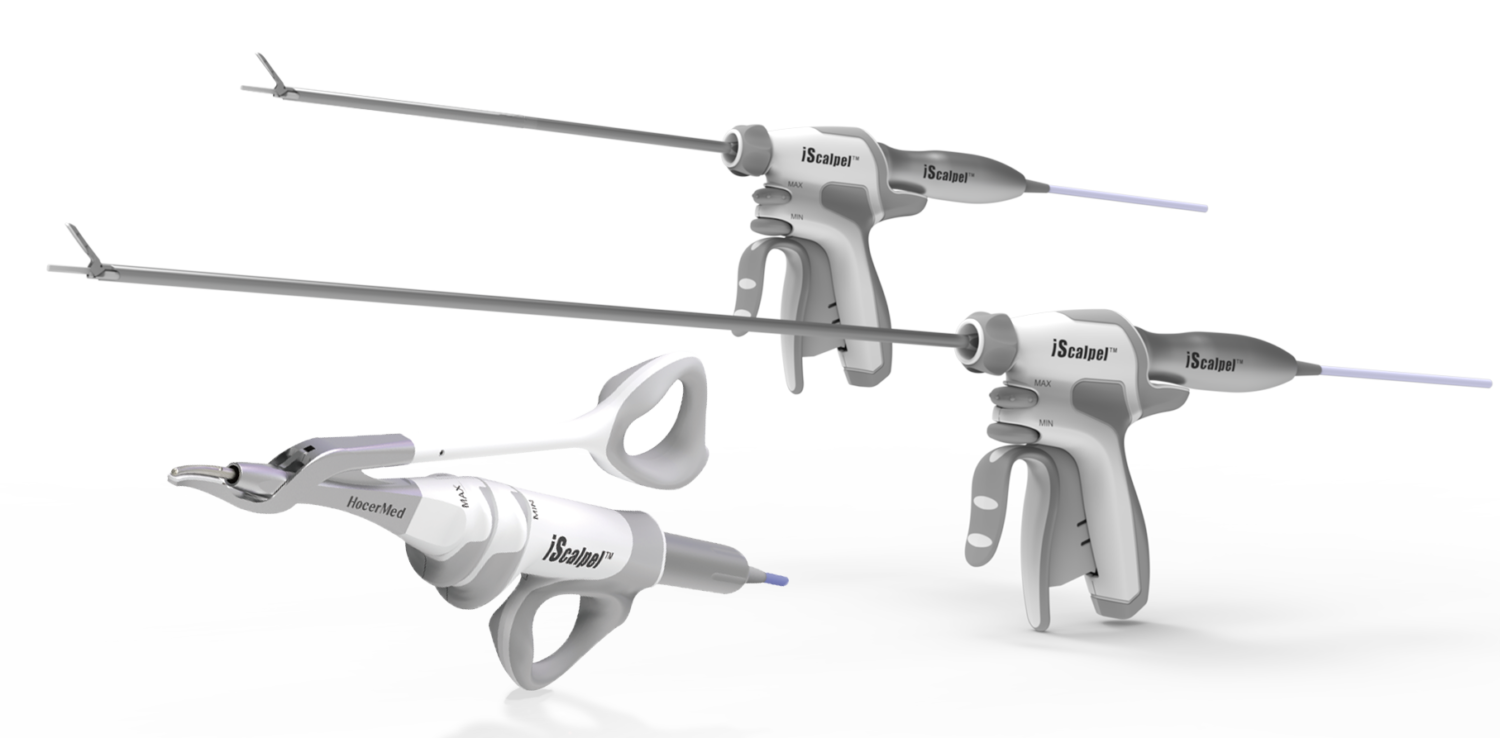
The generator: it converts electrical energy into an ultrasonic signal.
The transducer: it transforms this signal into very high-frequency mechanical vibrations.
The forceps or scalpel: it transmits these vibrations to its active blade, which cuts the tissues while inducing localized thermal coagulation through friction.
These devices are particularly useful for procedures requiring maximum precision and limited heat diffusion to surrounding tissues, while offering speed and safety. They are used in various surgical specialties for the dissection of delicate tissues, the coagulation of small vessels, and the separation of sensitive anatomical structures.
The essential criteria for a good energy system
A high-performance power system must meet several essential criteria. First, it must provide effective hemostasis and precise cutting, allowing for controlled bleeding while achieving clean and rapid tissue sections. The second criterion is safety: the system must be able to control the power delivered, adapt it according to the tissue type, and alert the user in case of an anomaly. Next, it must be versatile, so that it can be used on different procedures and tissue types. Finally, the system must be reliable, ergonomic, and easy to use, so that the surgeon can fully concentrate on the procedure.
Our solutions are designed to meet these requirements, enabling professionals to deliver both efficient and precise surgery.