Non-stick barrier

to complete your work with confidence

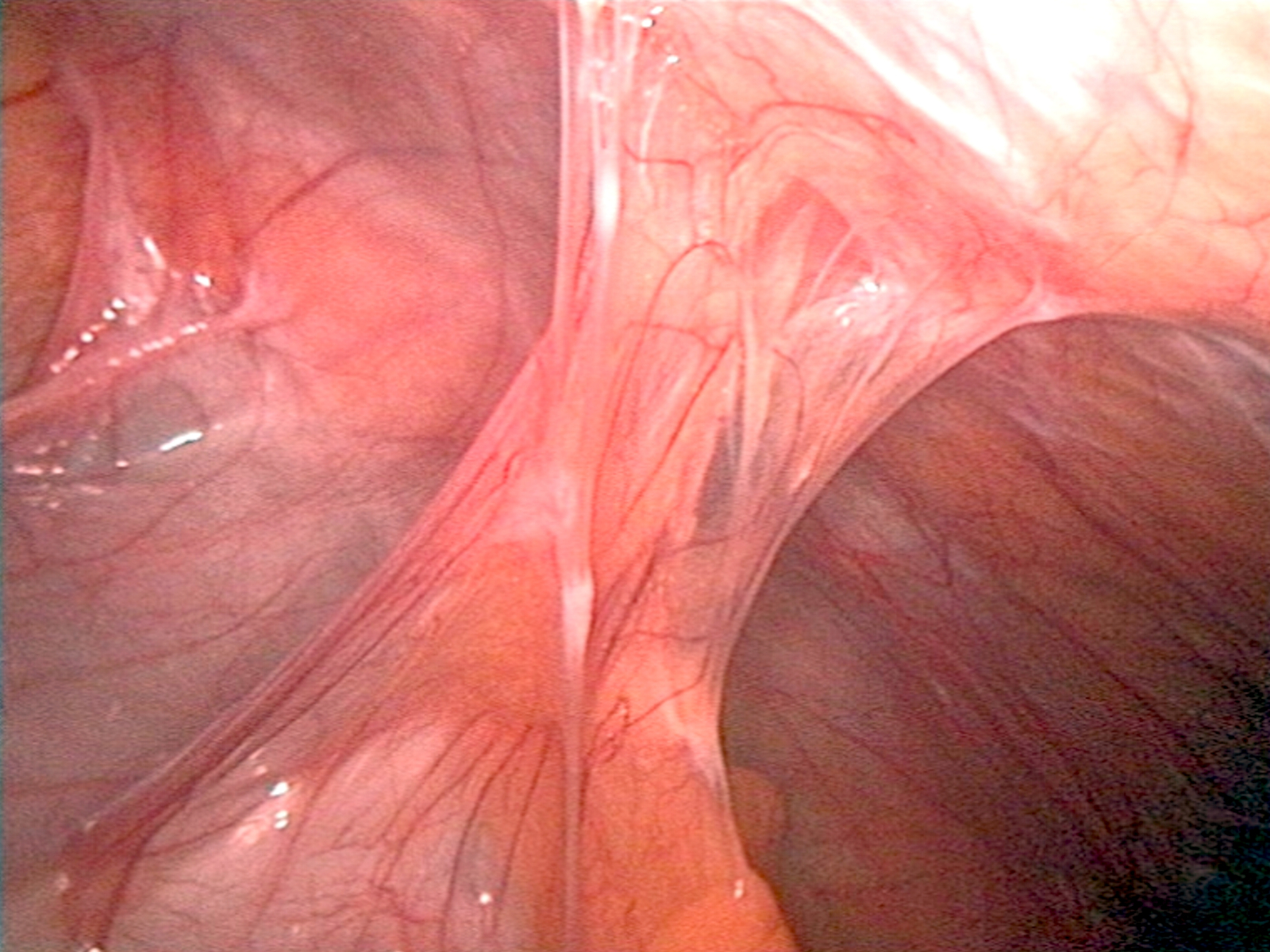
In certain post-operative gynecological settings, adhesions can form. These are bands of abnormal fibrous tissue that develop between internal organs or structures, often in response to inflammation, infection or surgical trauma. These adhesions are the first late complication after surgery (hysteroscopy or laparoscopy) and can cause pain, infertility, re-intervention…

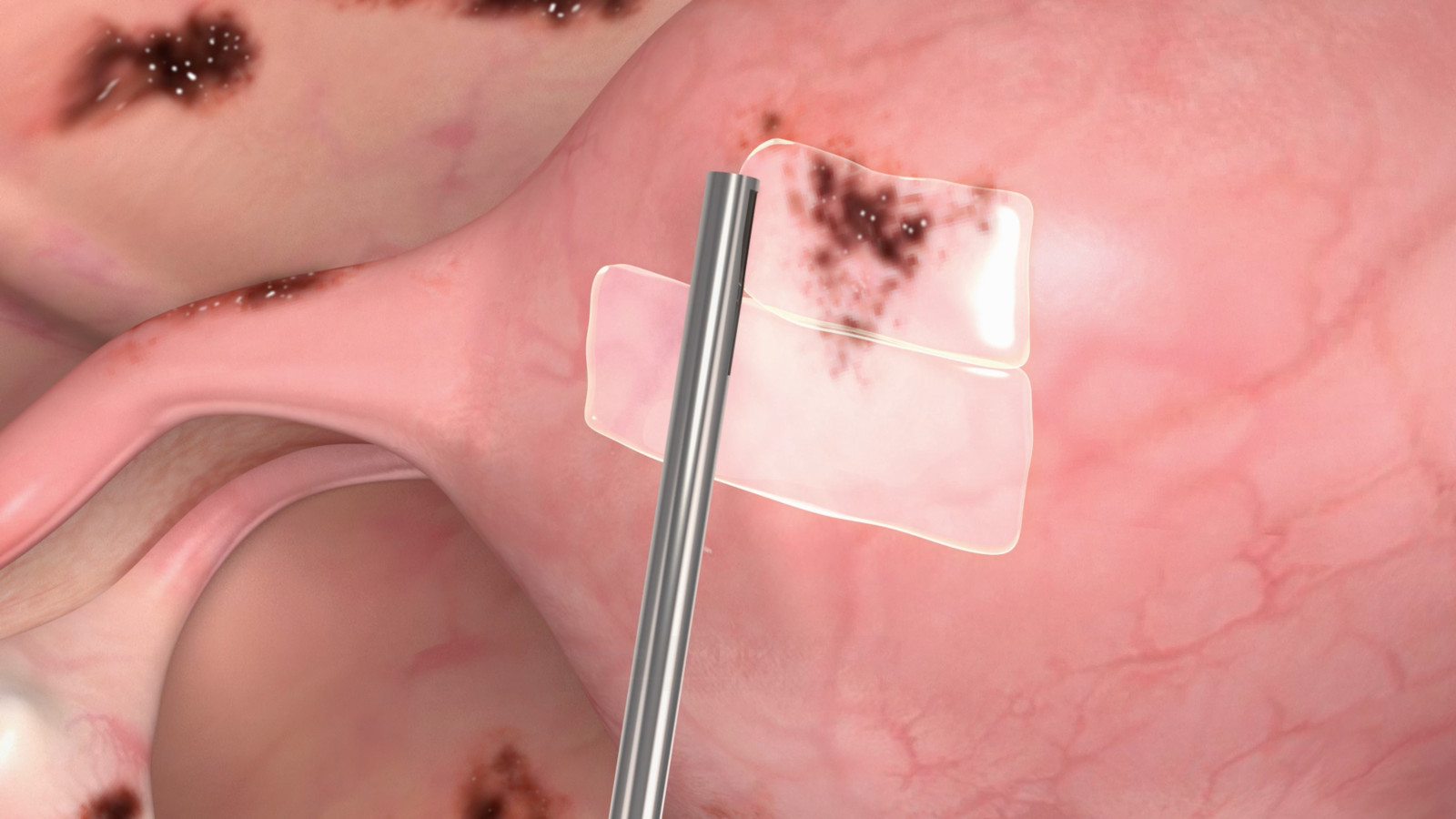
To prevent the appearance of these adhesions, the use of anti-adhesion barriers is highly recommended. These medical devices are applied at the end of surgery to at-risk areas. Their role is to temporarily separate tissue surfaces during the healing phase, in order to limit direct contact and thus reduce the risk of pathological adhesions.

Oxiplex

Non-stick gel for the finishing touch in gynecological surgery

Your most frequently asked questions

What are the benefits for patient care in the medium and long term?

The use of anti-adhesion barriers reduces the risk of post-operative adhesion formation, which can be responsible for chronic pain, secondary infertility or complications during subsequent procedures. This helps to improve patients’ quality of life and limit the need for repeat surgery. The patient does not feel the presence of the barrier, which eliminates naturally over time without further intervention.

Yes, in a positive way. By reducing the formation of adhesions in the uterus, fallopian tubes or ovaries, these devices promote fertility preservation and increase the chances of subsequent pregnancy. Their use is particularly relevant in patients of childbearing age.

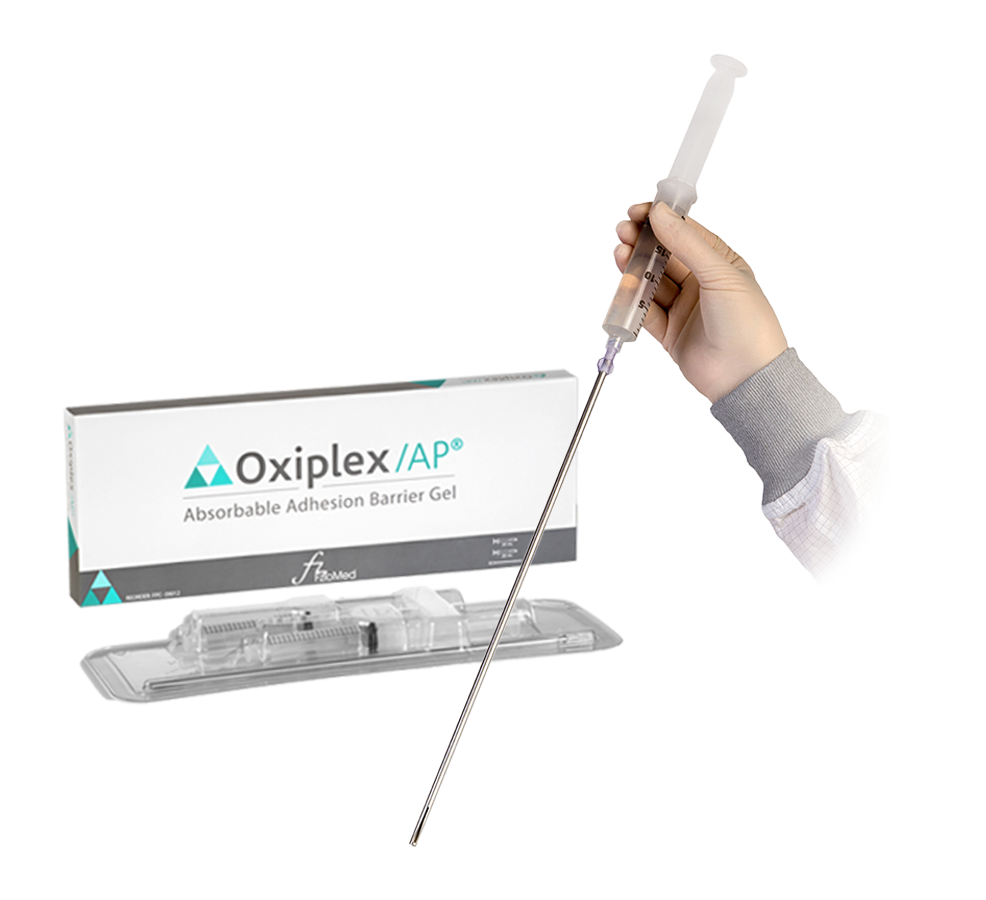
No, in the majority of cases, the application of anti-adherent solutions does not require any specific additional device. The choice of device (gel, membrane, or other solution) may influence the practical modalities of application, but it is generally integrated without constraint into the surgical gesture. In our case, the product is ready-to-use, and its integrated applicator guarantees easy, precise placement.

No, non-stick barriers are quick to apply, and are applied right at the end of the procedure. However, preparation time may vary according to the type of device: some solutions need to be reconstituted or mixed before use, which may lengthen the time required. As our product is ready-to-use, no special preparation is required. The surgical assistant simply opens it for immediate application at the end of the procedure.

barriere-anti-adherence-1

Adhesions, the primary complication following hysteroscopic and laparoscopic surgeries

In surgical gynecology, the use of an anti-adhesion barrier aims to prevent the formation of postoperative adhesions. Their development can have significant clinical consequences: chronic pelvic pain, menstrual disorders, decreased fertility, and even tubal obstruction. Anti-adhesion barriers come in various forms (gels, films, powders) and work by creating a temporary physical separation between tissues, allowing the uterine lining or peritoneum to heal optimally. They are particularly indicated during surgical procedures with a high risk of adhesions, such as myomectomy (fibroid removal), endometriosis surgery, tubal surgery, or certain operative hysteroscopies (such as the resection of synechiae or uterine septa).
barriere-anti-adherence-2

Learn more…

These barriers are fully absorbable and designed to be naturally eliminated by the body after a certain period, without requiring removal. Their use therefore serves as an adjunct to minimally invasive surgery, aiming to reduce the risk of late complications, promote functional recovery of the reproductive system, and preserve reproductive potential.

The essential criteria for a non-stick barrier

To be effective and suitable for clinical practice, an anti-adhesion barrier must meet several criteria. First and foremost, it must be ready to use and easy to apply, so as not to unnecessarily prolong the procedure and to integrate seamlessly into the surgical process. Its composition must guarantee perfect tolerance by the body and natural resorption without adverse effects. The performance of an anti-adhesion barrier relies largely on its ability to adhere well to the treated surfaces, regardless of the anatomical area involved, and to remain stable for the duration of the healing process, without negatively impacting postoperative recovery. Finally, its effectiveness must be validated by robust clinical studies, thus offering surgeons and patients a high level of reliability and safety.

Local production in La Ciotat
a guarantee of French know-how
Availability and responsiveness
to guarantee customer satisfaction
Dedicated design office
at the service of innovation